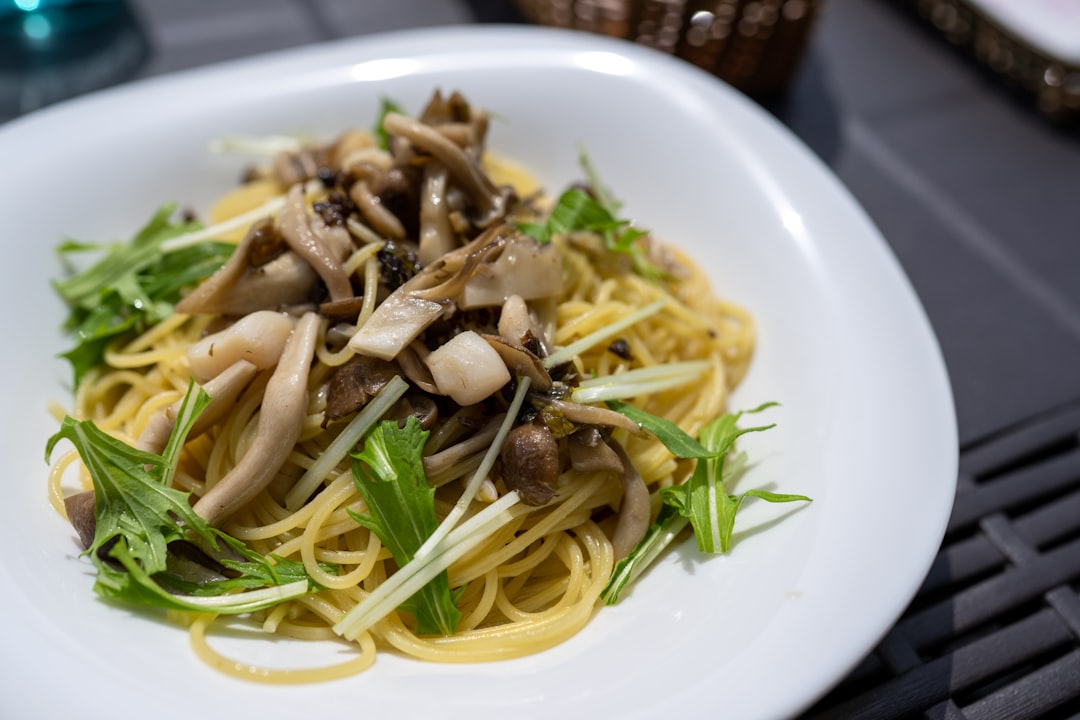
Pasta salad is often regarded as a simple side dish, a complement to the main event on the dinner table. However, with a few strategic additions, it can undergo a remarkable transformation, evolving from a mere sidekick to the star of the show. In this article, we'll explore how to turn a basic pasta salad into a substantial and satisfying main dish by incorporating hearty roasted vegetables and fiber - rich beans.
Let's start with the foundation of any great pasta salad: the pasta. You can choose from a wide variety of pasta shapes, each offering a unique texture and mouthfeel. For a heartier salad, penne, fusilli, or farfalle are excellent choices. These shapes hold the dressing and other ingredients well, ensuring that every bite is packed with flavor. Cook the pasta according to the package instructions, but be careful not to overcook it. Al dente pasta has a slight firmness in the center, which adds a pleasant chew to the salad.
Now, let's move on to the star ingredients that will elevate your pasta salad to main - dish status: roasted vegetables. Roasting vegetables intensifies their natural flavors, bringing out their sweetness and adding a delicious caramelized crust. You can select a medley of vegetables based on your preferences and what's in season. Some popular choices include bell peppers, zucchini, eggplant, cherry tomatoes, and onions. To roast the vegetables, preheat your oven to 400°F (200°C). Cut the vegetables into bite - sized pieces, toss them in olive oil, and season with salt, pepper, and your favorite herbs, such as thyme, rosemary, or oregano. Spread the vegetables in a single layer on a baking sheet and roast for about 20 - 30 minutes, or until they are tender and golden brown.
Fiber - rich beans are another essential component of a filling pasta salad. Beans like chickpeas, kidney beans, or black beans are not only high in protein and fiber but also add a creamy texture to the salad. You can use canned beans for convenience, but make sure to rinse them thoroughly under cold water to remove any excess sodium. Drain the beans and add them to the pasta salad for an extra boost of nutrition and substance.
Once you have your cooked pasta, roasted vegetables, and beans ready, it's time to assemble the salad. In a large bowl, combine the pasta, vegetables, and beans. You can also add some fresh ingredients for a pop of color and freshness. Sliced cucumbers, shredded lettuce, or chopped fresh herbs like basil or parsley are great additions. Next, it's time to make the dressing. A simple vinaigrette made with olive oil, balsamic vinegar, Dijon mustard, honey, salt, and pepper is a classic choice that pairs well with the flavors of the pasta salad. Whisk the dressing ingredients together in a small bowl until well - combined, and then pour it over the salad. Toss the salad gently to ensure that all the ingredients are coated evenly with the dressing.
For an extra layer of flavor, you can also add some cheese to the pasta salad. Feta cheese, mozzarella pearls, or Parmesan shavings are all delicious options. The cheese adds a creamy and savory element that complements the other ingredients in the salad. You can sprinkle the cheese on top of the salad just before serving.
Now that your pasta salad is ready, it's time to enjoy it as a main dish. This hearty pasta salad is not only delicious but also a balanced meal that provides a good source of carbohydrates, protein, fiber, and vitamins. It's perfect for a busy weeknight dinner when you want something quick and easy to prepare. You can also make a large batch of the salad and store it in the refrigerator for a few days, making it a convenient option for leftovers.
In conclusion, pasta salad doesn't have to be just a side dish. By incorporating hearty roasted vegetables and fiber - rich beans, you can transform it into a substantial and satisfying main meal. With a little creativity and the right ingredients, you can create a pasta salad that will impress your family and friends and become a regular on your dinner table.