When it comes to cooking, precision is often the key to a successful dish. Many recipes call for specific measurements, and one common ingredient that can be a bit tricky to measure accurately is powdered sugar. If a recipe calls for several cups of powdered sugar, understanding how to convert these volume measurements into weight or pounds can make a significant difference in the outcome of your culinary creation.
First, it's important to understand why converting volume to weight can be beneficial. Measuring ingredients by weight is generally more accurate than using volume measurements. This is because the density of powdered sugar can vary depending on factors such as how it's packed into the measuring cup. For example, if you scoop the powdered sugar directly from the bag into the measuring cup, it may be more densely packed compared to if you sift it first and then spoon it into the cup. These differences in packing can lead to variations in the amount of powdered sugar you're actually using, which can affect the texture and taste of your final dish.
To convert cups of powdered sugar to weight, you need to know the density of powdered sugar. On average, one cup of powdered sugar weighs approximately 4.5 ounces or 128 grams. So, if a recipe calls for 2 cups of powdered sugar, you would need 9 ounces or 256 grams. This conversion can be useful when you're following a recipe that provides measurements in cups but you prefer to use a kitchen scale for more accurate results.
Now, let's talk about converting cups of powdered sugar to pounds. Since there are 16 ounces in a pound, you can use the conversion factor to determine how many pounds of powdered sugar you need. For instance, if a recipe calls for 4 cups of powdered sugar, which is equivalent to 18 ounces (4 cups x 4.5 ounces per cup), you would divide 18 by 16 to get approximately 1.125 pounds. This can be helpful when you're buying powdered sugar in bulk and need to know how much to purchase.
When measuring powdered sugar, it's also important to consider the type of powdered sugar you're using. There are different grades of powdered sugar, such as regular and superfine. Superfine powdered sugar is more finely ground and may have a slightly different density compared to regular powdered sugar. However, for most cooking and baking purposes, the general conversion factors mentioned above should work well.
Another tip for measuring powdered sugar accurately is to sift it before using. Sifting helps to break up any clumps and aerates the sugar, resulting in a lighter and more consistent texture. After sifting, spoon the powdered sugar into the measuring cup and level it off with a straight edge, such as a knife. This method ensures that you're getting an accurate volume measurement.
In addition to converting powdered sugar measurements, it's also important to understand how different amounts of powdered sugar can affect your recipes. Too much powdered sugar can make a dish overly sweet and may also change the texture, making it too dense or sticky. On the other hand, too little powdered sugar may result in a less sweet and less flavorful dish. Experimenting with different amounts of powdered sugar in your recipes can help you find the perfect balance for your taste preferences.
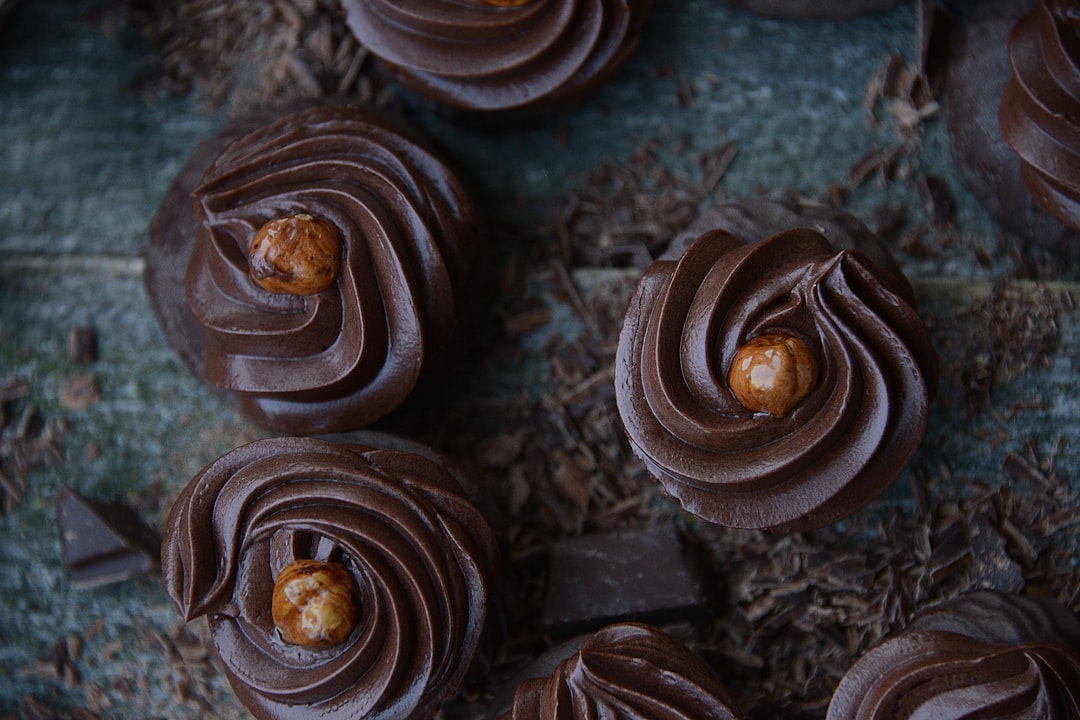
When it comes to cooking with powdered sugar, there are many delicious recipes to try. From classic frosting for cakes and cupcakes to sweet glazes for pastries, powdered sugar is a versatile ingredient that can add a touch of sweetness to a variety of dishes. For example, a simple buttercream frosting can be made by combining softened butter, powdered sugar, and a splash of milk or vanilla extract. By using the correct amount of powdered sugar, you can achieve a smooth and creamy frosting that is not too sweet.
Another popular recipe that uses powdered sugar is a fruit tart glaze. To make a fruit tart glaze, you can combine powdered sugar, water, and a bit of lemon juice. This glaze not only adds a beautiful shine to the fruit but also helps to preserve its freshness. By converting the powdered sugar measurement accurately, you can ensure that the glaze has the right consistency and sweetness.
In conclusion, understanding how to convert cups of powdered sugar to weight or pounds is an important skill for any cook or baker. By using the correct measurements, you can ensure that your recipes turn out perfectly every time. Whether you're making a simple frosting or a more complex dessert, taking the time to measure your powdered sugar accurately will make a big difference in the final result. So, the next time a recipe calls for several cups of powdered sugar, don't hesitate to grab your kitchen scale and make the conversion. Happy cooking!