Buying in bulk can often seem like a smart financial move. After all, who doesn't want to save money? However, when it comes to grocery shopping and cooking, buying in bulk isn't always the best strategy. Here are five things that you probably shouldn't buy in bulk.
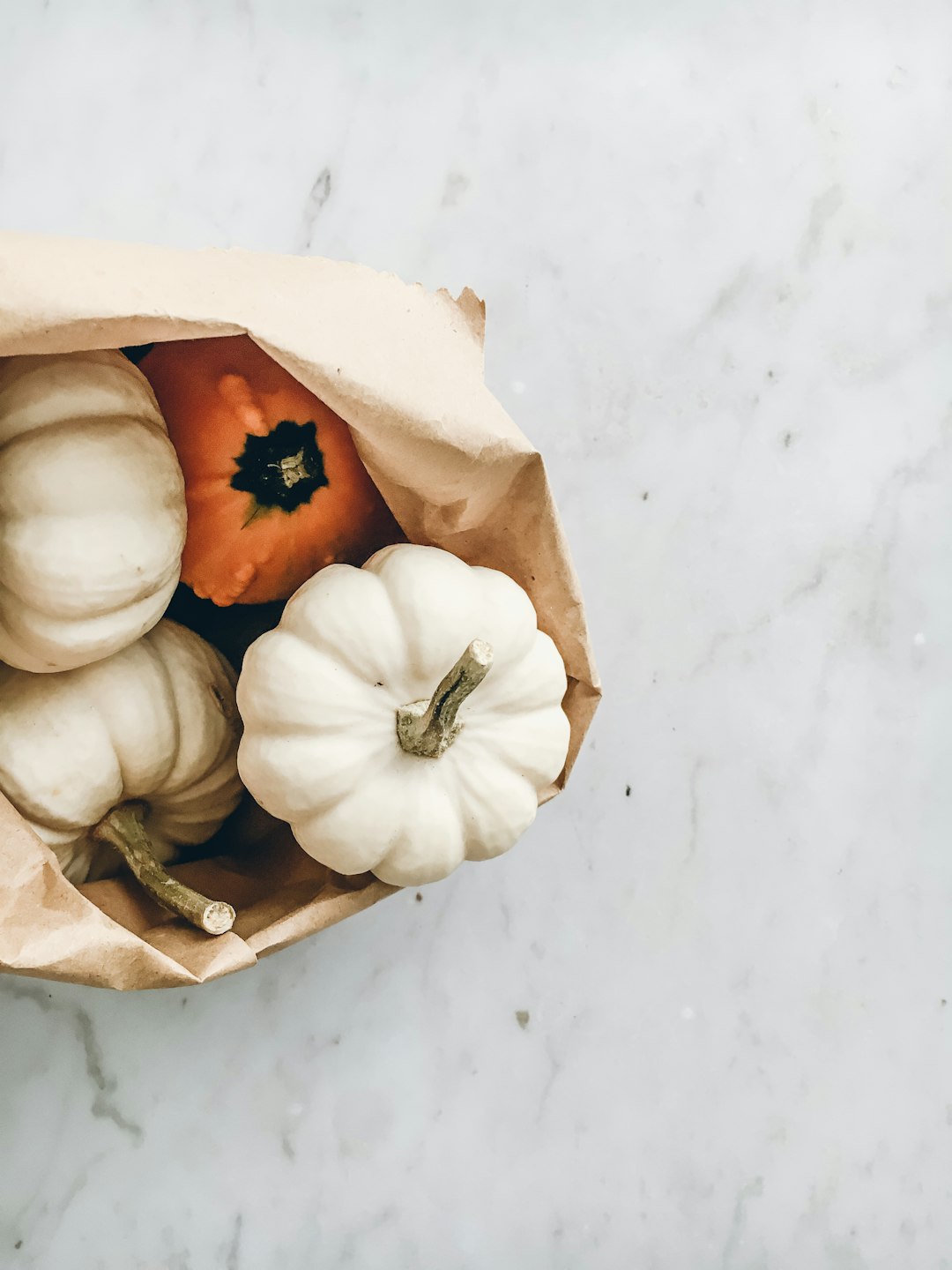
1. Fresh Produce
While it might be tempting to load up on fresh fruits and vegetables when they're on sale in bulk, it's important to consider their shelf - life. Most fresh produce has a relatively short lifespan. For example, berries can start to mold within a few days, and leafy greens will wilt if not consumed quickly. Buying a large amount of these items means that a significant portion may end up in the trash. Instead, buy just what you can consume within a few days. This way, you'll ensure that you're getting the freshest and most nutritious produce, and you won't waste your hard - earned money.
2. Herbs
Herbs are another item that doesn't fare well when bought in bulk. Fresh herbs like basil, cilantro, and parsley have a very short shelf - life. They can dry out or become slimy within a week. Even if you try to freeze them, the texture and flavor can be compromised. Dried herbs, on the other hand, while having a longer shelf - life, can lose their potency over time. If you buy a large quantity of dried herbs, you may find that by the time you use the last of it, the flavor has diminished significantly. It's better to buy herbs in small quantities as needed.
3. Spices with Short Shelf - Lives
Some spices have a relatively short shelf - life. For instance, ground spices like cinnamon, nutmeg, and paprika start to lose their flavor and aroma within a year or so. Buying these spices in bulk means that you'll have a large quantity sitting in your pantry, losing its quality over time. Instead, opt for smaller containers. This way, you can always have fresh - tasting spices to enhance the flavor of your dishes. Whole spices generally have a longer shelf - life than ground ones, so if you do want to buy in larger quantities, consider buying whole spices and grinding them as needed.
4. Perishable Dairy Products
Items like milk, cream, and soft cheeses are perishable and should be consumed within a short period. Buying these in bulk can be risky, especially if you don't have a large family or if you don't use them frequently. Milk can spoil quickly, and soft cheeses can develop mold. It's better to buy these items in sizes that you can finish before they go bad. This will also ensure that you're getting the best quality and taste from your dairy products.
5. Pre - made Sauces and Dressings
Many pre - made sauces and dressings contain preservatives, but they still have a limited shelf - life. Once opened, they need to be refrigerated and consumed within a certain time frame. Buying these in bulk means that you may end up with several opened bottles that you can't finish before they go bad. Additionally, pre - made sauces and dressings often have a lot of added sugars, salts, and artificial flavors. It's often healthier and more cost - effective to make your own sauces and dressings at home using fresh ingredients. You can make small batches as needed, ensuring that you always have a fresh and delicious condiment for your meals.
In conclusion, while bulk buying can have its benefits, it's important to be selective about what you purchase in large quantities, especially when it comes to items related to cooking and grocery shopping. By avoiding these five items in bulk, you can save money, reduce waste, and ensure that you're using the freshest and highest - quality ingredients in your recipes.