Chia seeds have gained significant popularity in recent years, and for good reason. These tiny powerhouses are not only heart - healthy but also incredibly versatile in the kitchen. However, to fully enjoy their benefits, proper storage is key. In this article, we'll explore how to keep chia seeds fresh for years and why they're a smart addition to your diet.
First, let's talk about the importance of food storage and safety, especially when it comes to chia seeds. Chia seeds are rich in healthy fats, antioxidants, and fiber. But these very components can make them prone to spoilage if not stored correctly. The high fat content means they can go rancid over time, losing their nutritional value and developing an unpleasant taste.
So, how do you store chia seeds to ensure they stay fresh? The ideal storage conditions for chia seeds involve keeping them in a cool, dry place. A pantry away from direct sunlight is a great option. You can also store them in the refrigerator, which will significantly extend their shelf life. When stored in the fridge, chia seeds can remain fresh for up to two years. If you choose to keep them in the pantry, they'll still last about a year.
It's also crucial to store chia seeds in an air - tight container. Oxygen can cause the fats in the seeds to oxidize, leading to spoilage. A glass jar with a tight - fitting lid or a plastic container designed for food storage works well. Make sure to label the container with the date of purchase so you can keep track of their freshness.
Now, let's move on to the dietary benefits of chia seeds. These seeds are a nutritional goldmine. They're an excellent source of omega - 3 fatty acids, which are known for their heart - protecting properties. Omega - 3s can help reduce inflammation in the body, lower cholesterol levels, and improve overall cardiovascular health.
Chia seeds are also high in fiber. Just one ounce of chia seeds contains about 11 grams of fiber, which is a significant portion of the recommended daily intake. Fiber is essential for digestive health, as it helps keep the digestive system running smoothly, prevents constipation, and can even aid in weight management by promoting feelings of fullness.
In addition to their heart - healthy and digestive benefits, chia seeds are a good source of protein. They're a great option for vegetarians and vegans looking to increase their protein intake. The protein in chia seeds is also a complete protein, meaning it contains all nine essential amino acids that the body can't produce on its own.
When it comes to cooking with chia seeds, the possibilities are endless. You can add them to smoothies for an extra nutritional boost. Simply sprinkle a tablespoon or two into your favorite smoothie recipe, and blend it up. The seeds will add a slightly nutty flavor and a bit of texture.
Chia seeds can also be used to make chia pudding. To make chia pudding, mix chia seeds with milk (dairy or plant - based) and a sweetener of your choice, such as honey or maple syrup. Let the mixture sit in the fridge overnight, and in the morning, you'll have a delicious and healthy breakfast or snack. You can top the chia pudding with fresh fruits, nuts, or granola for added flavor and crunch.
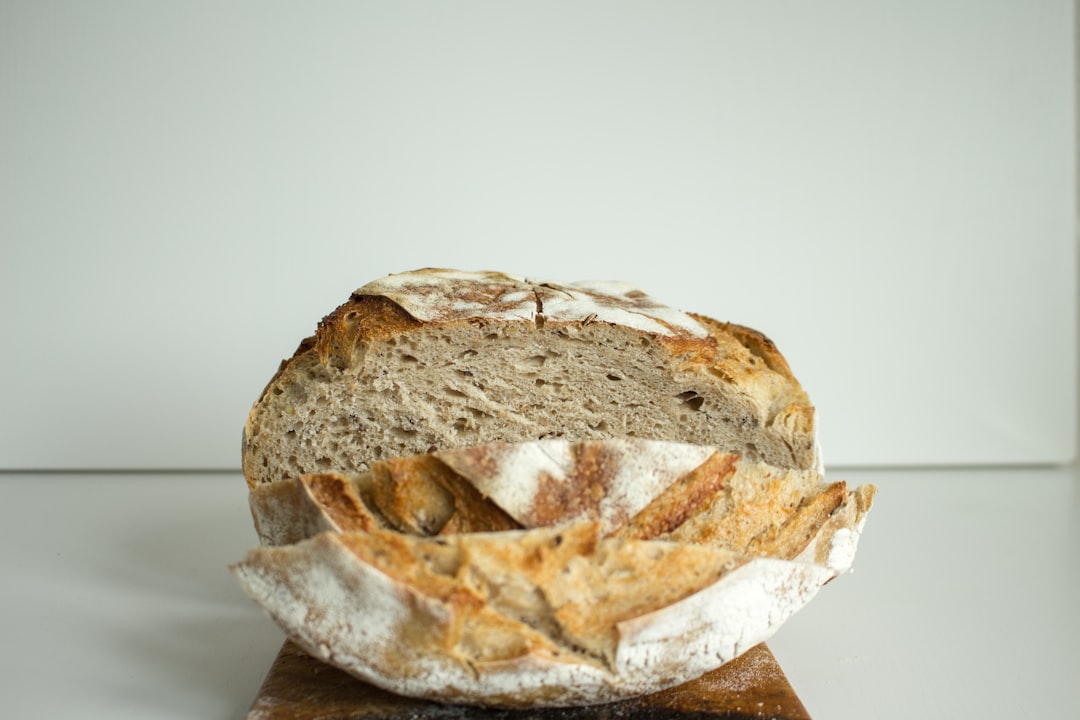
Another way to use chia seeds is in baking. You can substitute eggs with chia seeds in many baking recipes. To make a chia egg, mix one tablespoon of chia seeds with three tablespoons of water. Let the mixture sit for about 15 minutes until it thickens, and then use it as a replacement for one egg in your recipe. This works well in muffins, cookies, and bread.
In conclusion, chia seeds are a wonderful addition to any diet. By storing them properly, you can ensure that you have a fresh supply of these nutritional powerhouses for years to come. Whether you're looking to improve your heart health, boost your fiber intake, or simply add some variety to your cooking, chia seeds are a smart choice.