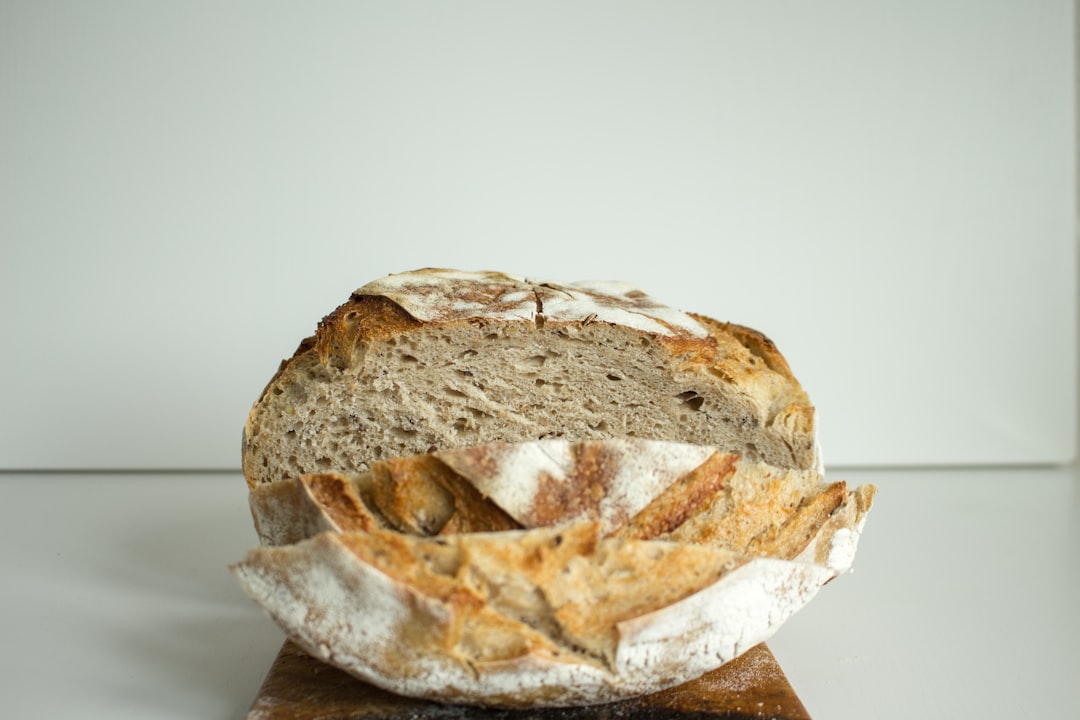
Sourdough bread, with its distinct tangy flavor and rustic texture, is a favorite among many bread enthusiasts. However, one common question that arises is how long this delicious loaf can last and the best ways to store it to maintain its quality. Let's delve into the details of sourdough bread storage and safety.
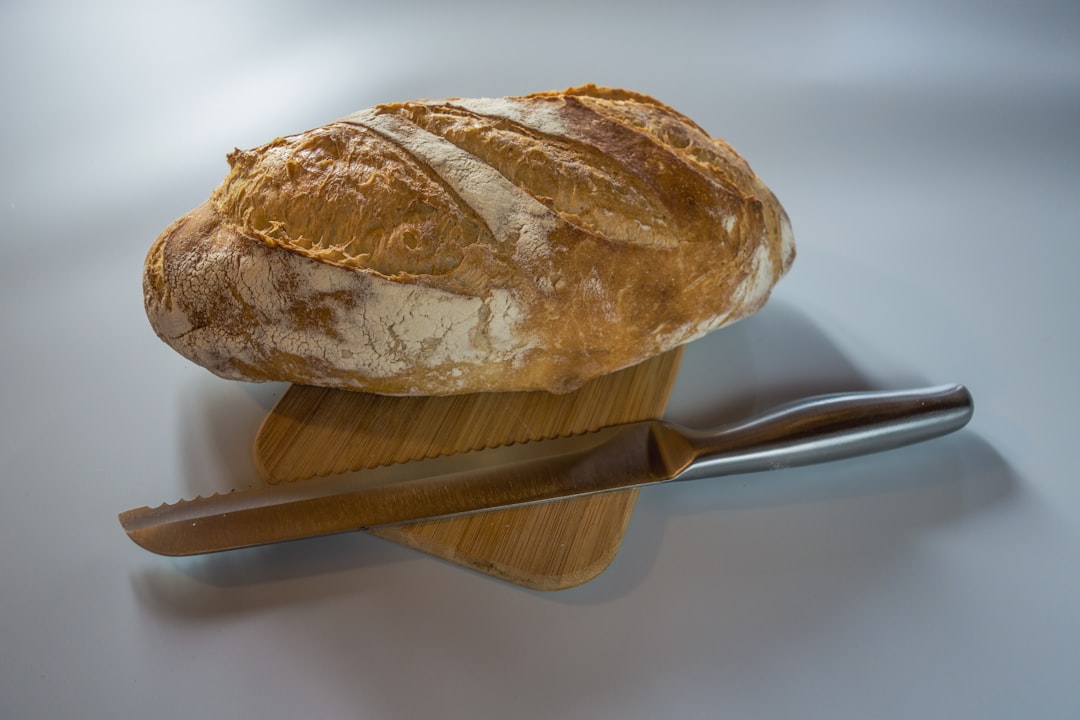
First, let's talk about the shelf - life of sourdough bread at room temperature. Generally, freshly baked sourdough bread can last for about 2 - 3 days when stored at room temperature. This is because sourdough has a lower pH level compared to regular bread, thanks to the fermentation process. The acidic environment created by the sourdough starter inhibits the growth of some common bread - spoiling microorganisms to a certain extent. But it's important to note that factors such as humidity and air circulation can significantly affect its shelf - life. In a humid environment, the bread may become stale faster or even develop mold more quickly.
To store sourdough bread at room temperature, the key is to choose the right container or wrapping. A paper bag is an excellent option. It allows the bread to breathe, preventing the buildup of moisture that could lead to mold growth. Avoid using plastic bags, as they trap moisture and can cause the bread to become soggy. If you don't have a paper bag, you can also use a clean, cotton cloth to cover the bread. Place the bread in a cool, dry place away from direct sunlight and heat sources. A pantry or a kitchen countertop away from the stove are good locations.
Now, let's consider freezing sourdough bread. Freezing is a great way to extend the shelf - life of sourdough bread for up to 3 months. Before freezing, slice the bread if you plan to use it in smaller portions. This way, you can thaw only what you need. Wrap the bread tightly in plastic wrap or aluminum foil to prevent freezer burn. You can also place the wrapped bread in a freezer - safe plastic bag for an extra layer of protection. When you're ready to enjoy the bread, let it thaw at room temperature for a few hours. If you're in a hurry, you can also toast the frozen slices directly in a toaster or an oven, which will help restore some of the bread's freshness and crispness.
But what if you find mold on your sourdough bread? Mold is a sign of spoilage, and it's important to handle it properly. If you see only a small amount of mold on the surface of the bread, it's best to discard the entire loaf. This is because mold can produce invisible toxins that may have spread throughout the bread, even if it's not visible. Do not try to cut off the moldy part and eat the rest, as it can still pose a health risk.
When it comes to cooking with sourdough bread, there are numerous delicious recipes. You can make a classic French toast by dipping slices of sourdough in a mixture of eggs, milk, and a touch of vanilla. Grill the dipped slices until they're golden brown and serve them with maple syrup and fresh berries. Another great option is to use sourdough bread to make a savory bread pudding. Cube the bread, mix it with sautéed vegetables, cheese, and eggs, and bake it in the oven until it's golden and set. This makes for a hearty and satisfying meal.
In conclusion, understanding how to store sourdough bread properly is essential for maintaining its quality and safety. Whether you choose to store it at room temperature for a few days or freeze it for longer - term storage, following the right steps will ensure that you can enjoy the deliciousness of sourdough bread whenever you want. And don't forget to get creative with your sourdough bread in the kitchen!