When it comes to cooking and baking, sugar is a fundamental ingredient that adds sweetness, moisture, and texture to our favorite recipes. While white sugar is a common choice, brown sugar brings a unique depth of flavor and a hint of molasses that can elevate your dishes to new heights. In this guide, brought to you by our Test Kitchen, we'll explore how to substitute white sugar for brown sugar in all your beloved recipes.
### Understanding the Differences
Before we dive into the substitution process, it's important to understand the differences between white sugar and brown sugar. White sugar, also known as granulated sugar, is highly refined and has a pure, sweet taste. It's made by removing the molasses from sugarcane or sugar beets. Brown sugar, on the other hand, is a combination of white sugar and molasses. The molasses gives brown sugar its characteristic color, moisture, and rich flavor.
### Why Substitute?
There are several reasons why you might want to substitute white sugar for brown sugar. Perhaps you're looking to add more depth of flavor to your recipes, or you simply ran out of white sugar and have brown sugar on hand. Brown sugar can also add a lovely caramelized flavor to baked goods and can help keep them moist. Additionally, some people prefer the taste of brown sugar over white sugar, and substituting it can be a great way to customize your recipes to your liking.
### Substitution Ratio
The general rule of thumb for substituting white sugar for brown sugar is to use a 1:1 ratio. This means that if a recipe calls for 1 cup of white sugar, you can use 1 cup of brown sugar instead. However, it's important to note that brown sugar is more moist than white sugar, so you may need to adjust the other liquid ingredients in your recipe slightly. If you're using light brown sugar, you can usually make the substitution without any major adjustments. If you're using dark brown sugar, which has a higher molasses content, you may want to reduce the other liquid ingredients by about 1 to 2 tablespoons per cup of brown sugar used.
### Adjusting for Texture
Another thing to keep in mind when substituting white sugar for brown sugar is the effect it can have on the texture of your final product. Brown sugar contains more moisture, which can make your baked goods denser and more moist. If you're making a recipe where a light and fluffy texture is desired, such as a sponge cake or a meringue, you may want to use a combination of white and brown sugar or reduce the amount of brown sugar slightly. On the other hand, if you're making a recipe where a chewy or moist texture is preferred, such as cookies or a quick bread, using brown sugar can enhance the texture and flavor.
### Flavor Considerations
One of the main benefits of using brown sugar is the rich, caramel-like flavor it adds to your recipes. However, this flavor can be quite strong, so it's important to consider how it will complement the other ingredients in your dish. If you're making a recipe with delicate flavors, such as a lemon tart or a vanilla cake, you may want to use a lighter brown sugar or reduce the amount of brown sugar slightly to avoid overpowering the other flavors. If you're making a recipe with bold flavors, such as a chocolate cake or a gingerbread, using a darker brown sugar can enhance the overall flavor profile.
### Tips and Tricks
- **Pack the brown sugar**: When measuring brown sugar, it's important to pack it firmly into the measuring cup to ensure an accurate measurement. Brown sugar tends to clump together, so using a spoon to press it down into the cup will help you get the right amount.
- **Store brown sugar properly**: Brown sugar can dry out and harden over time, especially if it's not stored properly. To keep your brown sugar soft and moist, store it in an airtight container at room temperature. You can also add a slice of bread or a damp paper towel to the container to help keep the sugar moist.
- **Experiment with different types of brown sugar**: There are two main types of brown sugar: light brown sugar and dark brown sugar. Light brown sugar has a milder flavor and less molasses, while dark brown sugar has a stronger flavor and more molasses. You can experiment with using different types of brown sugar in your recipes to see which one you prefer.
- **Make your own brown sugar**: If you don't have brown sugar on hand, you can easily make your own by combining white sugar with molasses. For every 1 cup of white sugar, add 1 to 2 tablespoons of molasses and mix well until the molasses is evenly distributed.
### Recipes to Try
Now that you know how to substitute white sugar for brown sugar, it's time to put your knowledge to the test. Here are a few recipes that you can try using brown sugar instead of white sugar:
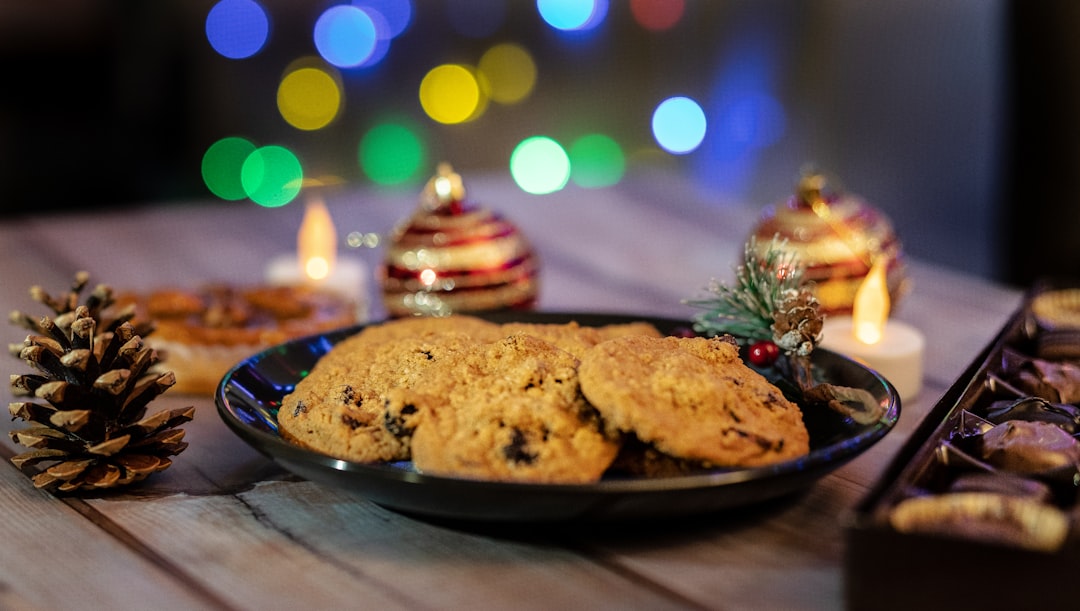
- **Chocolate Chip Cookies**: Replace the white sugar in your favorite chocolate chip cookie recipe with brown sugar for a chewier, more flavorful cookie.
- **Banana Bread**: Use brown sugar in your banana bread recipe to add a rich, caramel flavor and keep the bread moist.
- **Apple Pie**: Sprinkle a little brown sugar on top of the apples in your apple pie for a delicious, caramelized crust.
- **Barbecue Sauce**: Add brown sugar to your barbecue sauce recipe for a sweet and tangy flavor that pairs well with grilled meats.
In conclusion, substituting white sugar for brown sugar is a simple and easy way to add more flavor and moisture to your favorite recipes. By following these tips and tricks, you can master the art of using brown sugar in your cooking and baking and create delicious, homemade dishes that your family and friends will love.