Your refrigerator is a staple in the kitchen, a place where we store a variety of food items to keep them fresh. Among its various compartments, the crisper drawer might seem like just another part of the fridge at first glance. However, it holds unique characteristics that set it apart from the rest of the refrigerator interior.
The crisper drawer is designed to create a micro - environment that is ideal for storing certain types of food. Unlike the open shelves in the fridge, the crisper drawer can maintain a more stable humidity level. This is crucial because different foods have different moisture requirements to stay fresh for longer periods.
Let's start by understanding what makes the crisper drawer so special. Most crisper drawers come with adjustable humidity controls. These controls allow you to customize the moisture level inside the drawer according to the type of produce you are storing. For fruits and vegetables, high humidity can prevent them from drying out. On the other hand, some items might require lower humidity to avoid mold growth.
When it comes to fruits, many of them are great candidates for the crisper drawer. Apples, for example, can last for weeks in the crisper. They are best stored in a high - humidity setting. The cool and moist environment helps to keep the apples crisp and juicy. Berries, such as strawberries, blueberries, and raspberries, also benefit from the crisper. However, they should be placed in a container with a paper towel to absorb any excess moisture, as they are prone to mold if the environment is too damp.
Vegetables are another major category that thrives in the crisper. Leafy greens like lettuce, spinach, and kale are very sensitive to drying out. By storing them in a high - humidity crisper drawer, you can extend their shelf life significantly. Root vegetables such as carrots and celery also do well in the crisper. You can keep them in a plastic bag with a few holes punched in it to maintain the right amount of moisture.
But it's not just about fruits and vegetables. Some modern refrigerators come with a protein drawer in the crisper section. This drawer is designed to store meats, poultry, and fish. The temperature in this area is carefully regulated to keep the proteins fresh and safe to consume. For example, raw chicken should be stored in a sealed container in the protein drawer to prevent cross - contamination and to maintain its quality.
Now, let's talk about what you shouldn't store in the crisper drawer. Dairy products like milk, cheese, and yogurt should not be placed in the crisper. They are better off on the regular shelves of the fridge, where the temperature is more consistent. The fluctuating humidity in the crisper can cause the dairy products to spoil faster or develop an off - flavor.
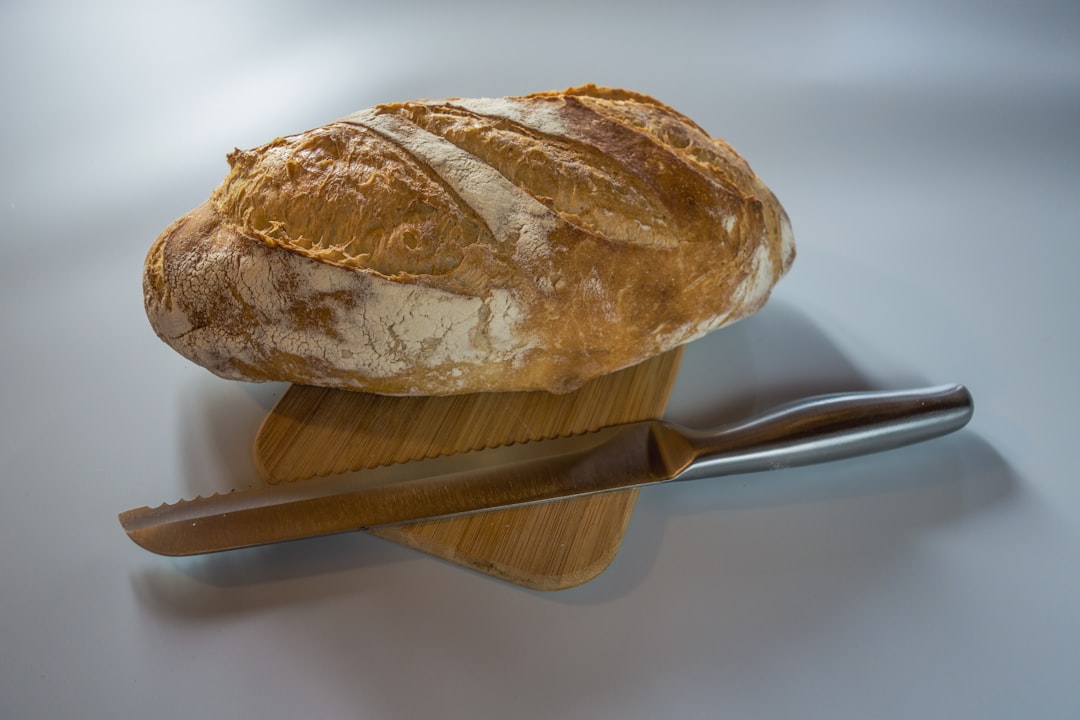
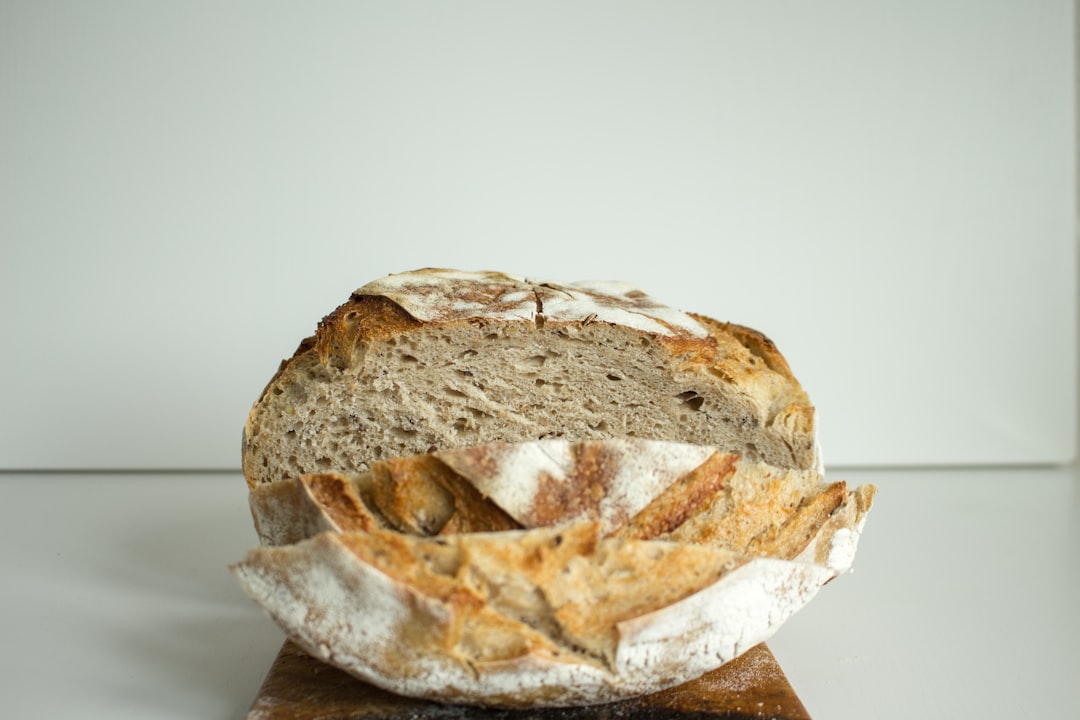
Also, bread and baked goods are not suitable for the crisper. The high humidity can make the bread soggy and cause it to mold quickly. It's best to store bread in a bread box or at room temperature in a paper bag.
According to culinary professionals, proper use of the crisper drawer can not only save you money by reducing food waste but also enhance the taste and quality of your food. By following these guidelines on what to store and what to avoid in the crisper, you can make the most of this often - overlooked part of your refrigerator.
In conclusion, the crisper drawer is a valuable tool in your kitchen. Its unique design and adjustable features make it a great place to store a wide range of food items. By understanding its capabilities and limitations, you can ensure that your fruits, vegetables, and proteins stay fresh and delicious for as long as possible.